
What Makes All-Natural Food Coloring a Better Choice for Modern Food Products?
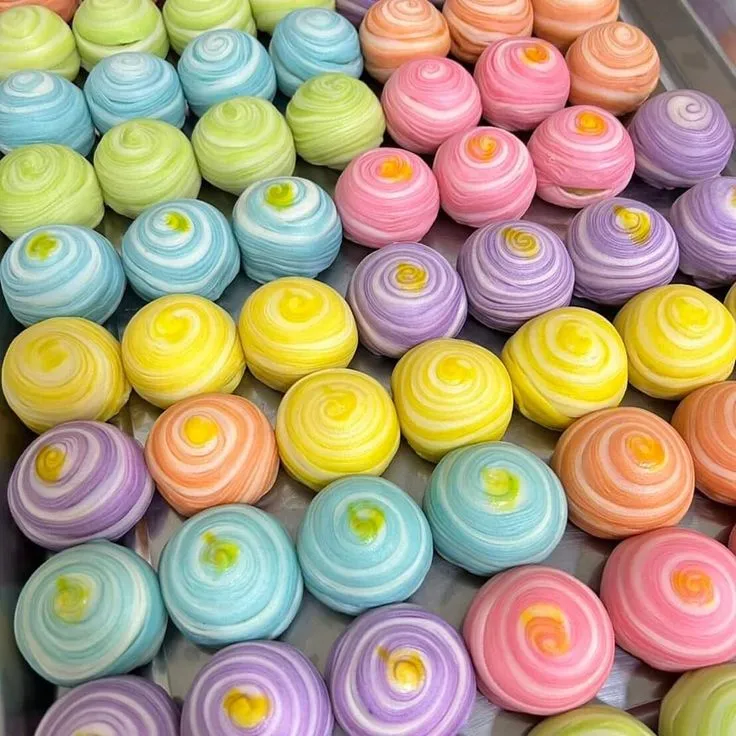
Food manufacturers are focused on the ingredients of their daily products. Color plays a key role in that, as it helps people identify and experience various foods and drinks. With all natural food coloring, product developers can enjoy attractive hues without compromising on the natural ingredients used. Naturally-derived colors can be helpful for a variety of formulation objectives, from beverages and confectionery, dairy, and bakery products.
Understanding Naturally Derived Food Colors
Natural colors are typically derived from natural sources including fruits, vegetables, plants, roots, flowers and other plant-based materials. Different shades are derived from beetroot, turmeric, annatto, black carrot and spirulina. The different sources will each have their own characteristics, and choosing ingredients will be an important consideration in product development.
Appearance of the desired color is just one of the factors to be considered when choosing a coloring ingredient. Other factors that food manufacturers might consider include the pH, processing conditions, exposure to heat, storage conditions, and product formulation. These factors can be taken into account in the early stages of development to allow the developer to choose an ingredient that will be more suitable for the application in which it is to be used.
Why Color Matters in Food Development
Before the first taste, color is used to help create the visual identity of a product. A brightly colored fruit drink, creamy frozen dessert or a colorful confectionery product can all be enhanced by a color to match its ingredients and positioning.
The right color can also help to establish uniformity among batches of products. For commercial manufacturers, it’s essential to ensure their products have a familiar look so that they can create a trusted product experience. This is why it is important to consider the color carefully when it comes to the presentation of a finished food.
Choosing Natural Colors for Different Applications
Several different food coloring methods may be needed for certain foods. A drink might require a color that works effectively in a liquid product, or a bakery product might require heat treatment during processing. Another set of considerations for the formulation and storage conditions of frozen desserts may be necessary.
Food developers can then make a color choice based on the application, and not the color source. Selecting the correct food matrix, typical processing temperatures, acidity and desired final color can make the selection process more practical.
Plant colors, for instance, can give yellow/orange to red, purple, blue and green colors. This wide range allows manufacturers to try out various visual directions, but keeping the ingredients strategy in line with the product.
Exploring Natural Color Sources
Natural food colors can come in many forms and provide a range of colors and formulation options. Turmeric can add yellow hues and beetroot can enhance red hues. Other sources for yellow to orange colors would be annatto and black carrot for red to purple.
These ingredients need not be merely picked based on the color of the product; they may be chosen according to the product’s requirements. Product developers may be able to take a broader look at the desired shade, compatibility with ingredients, processing requirements and characteristics of the finished product.
This is especially beneficial for producers creating a number of products in a single category. With a good plan, a variety of colors can be used to create interest within the food product, while maintaining uniformity in the ingredients.
Considering Processing and Stability
Food color selection involves an important aspect related to processing. The effect of a color over time can be affected by heat, acidity, light and storage conditions. That is why manufacturers need to test a coloring ingredient in the product being colored.
Testing of the selected color can be beneficial to product developers to gain knowledge of its behavior during manufacture and storage. It can also be used to help decide if any formulation changes are warranted to achieve the desired shade.
Having technical experts along can help to streamline this process. Those who are knowledgeable about ingredients can assist in selecting appropriate ingredients for the application, production process, and desired color.
Supporting Modern Product Development
As consumers are becoming more interested in more recognizable and carefully chosen ingredients, manufacturers have more opportunities to come up with naturally derived color solutions. Developing color is not a last step and can be part of the taste, texture, packaging and ingredient decision-making process.
This holistic approach can aid in the development of products that have a unified look and consistent product development direction. It also provides manufacturers with the opportunity to try different shades and sources of ingredients based on their product ideas.
Conclusion
Choosing a suitable color for a food product is an important factor in making the product attractive and well designed. Any natural food coloring can provide a starting point for manufacturers to experiment with colors derived from plant and other natural sources, given the application requirements. Natural color solutions can easily be incorporated into many contemporary food and beverage formulations when carefully tested and with some thought given to ingredient selection. To learn more and for practical natural color solutions, make sure to visit foodrgb.comand check out some solutions that will help you on your next product development project.


