
Sweet Potato Concentrate in food products with natural color value
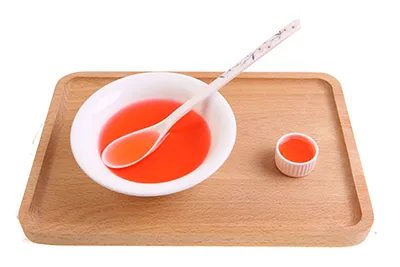
Some ingredients look small on a label but do a lot inside the product. Color ingredients are like that. They change first impressions before taste even gets a chance. A soft pink, a red shade, or a purple tone can make food seem fresher, fruitier, or just more appealing. That is why Sweet Potato Concentrate gets attention from food brands now. It gives a natural-looking color direction that feels easier to work with when the goal is a clean appearance without making the product look too artificial.
Color choice usually starts with the final feeling.
This part matters more than people think. Brands do not only choose a shade. They choose what the product should feel like when someone sees it for the first time. A bright red may feel playful. A softer reddish tone can feel more natural and easier to trust. Sweet Potato Concentrate works well in those conversations because it can support color without making the product look too harsh. That balance matters in real products, especially when appearance needs to match the flavor idea properly.
Powder ingredients bring their own practical benefits.
Liquid colors get plenty of attention, but powders solve many normal production problems. They are often easier to store, easier to ship, and easier to use in dry blends or coating systems. That is one reason red radish powder keeps coming up in food development work. It can fit products where a dry format makes more sense than a liquid one. That sounds basic, though it matters a lot once a factory starts thinking about handling, mixing, and keeping the process simple enough every day.
The formula changes how the color finally behaves.
A sample may look beautiful in a small test and still tell you almost nothing useful. Once heat, moisture, acidity, fat, and storage enter the picture, the result can shift. That happens all the time with color ingredients. Sweet Potato Concentrate may look richer in one product and softer in another, depending on the recipe around it. The same kind of thing happens with red radish powder, too. Good color selection is never only about the source. It is also about how the source reacts inside real food.
Clean labels pushed these ingredients into focus.
Years ago, many brands mostly chased the strongest color they could get. Things changed. Buyers now care more about the ingredient list, even if they only glance at it quickly. Names that sound closer to real food usually feel easier to accept. That shift helped ingredients like Sweet Potato Concentrate stand out in a bigger way. Red radish powder also fits this modern demand because it sounds familiar enough to support cleaner label goals while still giving useful color in the right product setup.
Consistency matters more than one nice sample.
One good-looking batch does not solve much in commercial production. The harder part is getting the same result again and again without constant correction. Customers notice small visual changes faster than brands expect. A product that looks slightly different next month can start feeling less dependable. That is why sourcing, testing, and repeat performance matter so much. Sweet Potato Concentrate and red radish powder both need proper evaluation under actual production conditions, not just quick lab trials that make everything look easier than it really is.
Conclusion
Food color decisions shape the product long before the first bite because appearance creates expectation in a very direct way. On foodrgb.com, businesses can explore ingredient options with more attention to practical use, cleaner labels, and a better fit across real food applications. Sweet Potato Concentrate can help brands create softer, natural-looking shades that feel more believable in modern products. Red radish powder also gives useful value where dry format handling and red-toned color matter in production. Review your formula carefully, test under real conditions, and choose color solutions that truly support your product goals.


