
Best Low Acid Coffee Options for Sensitive Stomachs: A Complete Guide
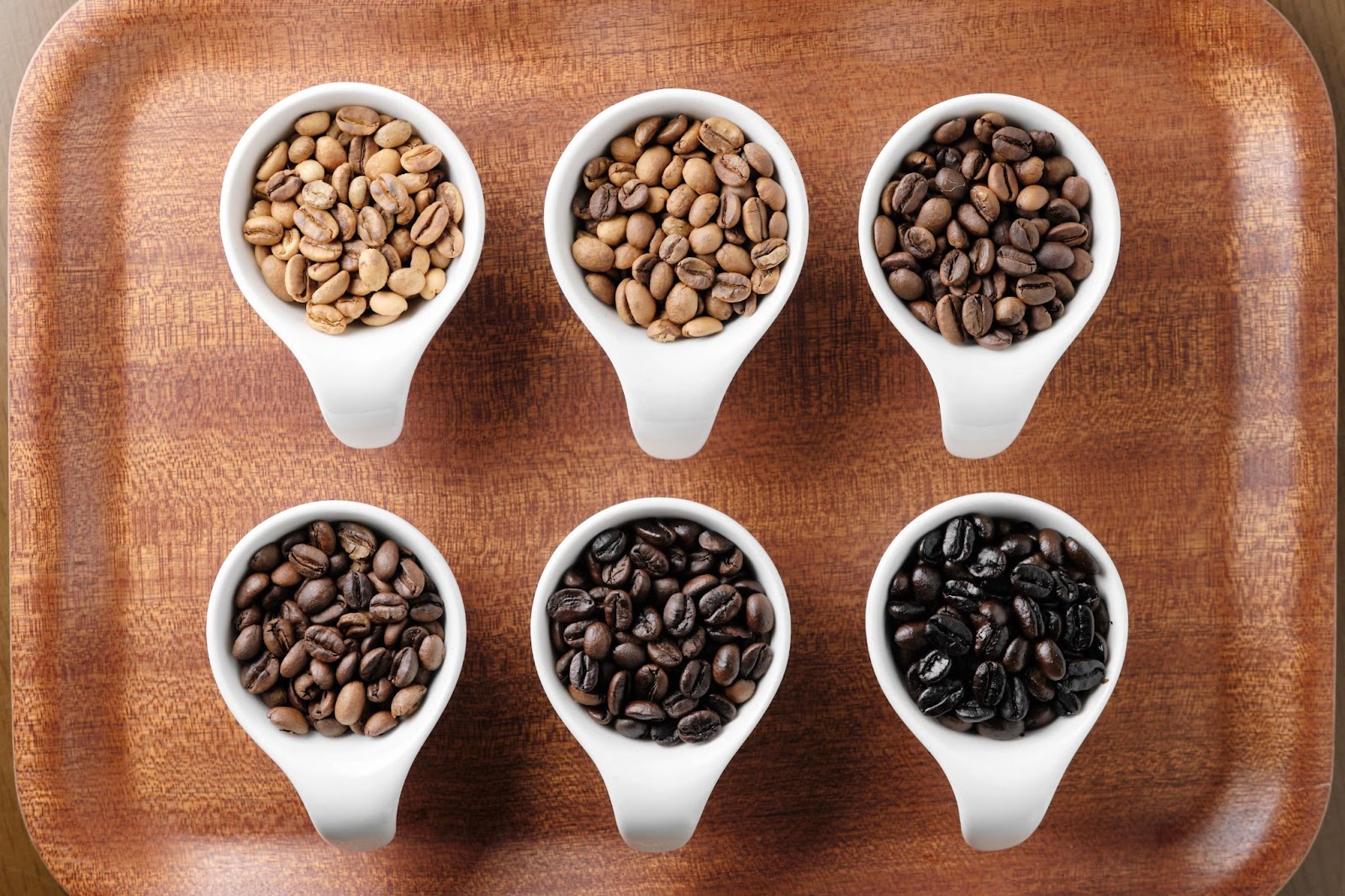
Coffee is a daily ritual for millions, but for some, it comes with a cost: heartburn, acid reflux, and digestive discomfort. If your stomach flips after every cup, you’re not imagining it. Traditional coffee’s acidity can trigger unpleasant symptoms, especially for those with sensitive stomachs or acid reflux issues. The good news? You don’t have to give up your morning brew. Low acid coffee is a smoother, stomach-friendly option that allows you to sip with less worry.
In this complete guide, we’ll explore what low acid coffee is, who benefits from it, how it’s made, and how to find the best coffee for acid reflux—including a surprising alternative: date coffee and date seed coffee.
Why Does Coffee Upset the Stomach?
Regular coffee contains naturally occurring acids, such as chlorogenic acid and quinic acid, that give it that bright, tangy taste. Unfortunately, these compounds can irritate the stomach lining, cause acid production to spike, and lead to symptoms like:
- Acid reflux
- Heartburn
- Bloating
- Indigestion
For individuals dealing with gastroesophageal reflux disease (GERD), ulcers, or sensitive digestive tracts, this daily discomfort can become an obstacle to enjoying a beloved beverage.
That’s where low acid coffee comes in.
What Is Low Acid Coffee?
Low acid coffee is coffee that contains reduced levels of acidity. While no coffee is completely acid-free, these blends are specifically designed to be gentler on the stomach. They often have a higher pH than regular coffee, which means they’re less likely to trigger reflux or other gastrointestinal issues.
There are several ways coffee can be made low acid:
- Bean origin: Coffee beans grown at lower elevations generally have lower acidity.
- Roasting process: Darker roasts tend to break down acidic compounds during roasting.
- Brewing method: Cold brew coffee, for instance, naturally has less acidity than hot-brewed coffee.
- Post-processing techniques: Some roasters use steam or water processing to remove acidic oils.
Who Should Choose Low Acid Coffee?
Low acid coffee isn’t just a niche product—it’s a health-conscious choice for anyone experiencing discomfort after drinking regular coffee. It can be especially beneficial for people with:
- Acid reflux or GERD
- Irritable Bowel Syndrome (IBS)
- Gastritis or ulcers
- A sensitive digestive system
- Dental sensitivity (as acidic beverages can weaken enamel)
If you’re constantly searching for the best coffee for acid reflux, switching to a low acid variety may significantly improve your experience without sacrificing flavor or aroma.
Benefits of Low Acid Coffee
Here are some notable advantages of switching to a low acid brew:
- Reduced heartburn: Gentler on the stomach lining and esophagus.
- Less bitterness: Smoother taste, often more enjoyable without cream or sugar.
- Better tolerance: Easier to drink on an empty stomach.
- Dental protection: Less erosion of tooth enamel from acidic beverages.
- Supports digestive wellness: Less irritation to the gastrointestinal tract.
Top Low Acid Coffee Options to Consider
When shopping or brewing for stomach-sensitive coffee, here are a few categories to explore:
1. Single-Origin Low Acid Beans
Beans from Brazil, Sumatra, and parts of Central America tend to be naturally lower in acid. These beans often have earthy, chocolatey profiles rather than fruity or citrus notes, which can be easier on the stomach.
2. Dark Roasts
The roasting process significantly influences acidity. Darker roasts typically break down more acidic compounds, resulting in a smoother, less sharp cup. Look for medium-dark to dark roasts labeled as “low acid” or “stomach-friendly.”
3. Cold Brew Coffee
If you haven’t tried cold brewing, it may change your relationship with coffee. This method, which involves steeping coarse coffee grounds in cold water for 12–24 hours, can reduce acidity by up to 70%. It’s naturally smoother, slightly sweeter, and perfect for sensitive drinkers.
4. Low Acid Espresso
Love lattes and Americanos but hate the heartburn? Look for low acid espresso options. When made from dark, low-acid beans, espresso can deliver that bold flavor without the sting.
Tips for Brewing Low Acid Coffee at Home
Even if you’re not buying specialty beans, you can still reduce your coffee’s acidity with a few easy tweaks:
- Opt for cold brew or French press over drip coffee.
- Use coarser grinds to limit over-extraction of acidic compounds.
- Avoid boiling water—stick to around 195–205°F.
- Brew with alkaline water or add a pinch of baking soda to neutralize acids.
- Don’t overbrew—longer steeping increases acidity.
These small adjustments can turn your regular coffee into a more stomach-friendly drink.
Looking Beyond Coffee Beans: Try Date Coffee
If you’re still experiencing symptoms or want a caffeine-free alternative, date coffee may be worth exploring. Made by roasting and grinding dried date fruit, this natural beverage offers a similar roasted flavor profile to coffee, without the acidity or caffeine.
What Is Date Seed Coffee?
An even more unique option is date seed coffee, which is made from roasted date pits. This alternative contains powerful antioxidants, is completely caffeine-free, and has a low-acid, slightly nutty taste. It’s a popular beverage in parts of the Middle East and is gaining traction worldwide among those looking for gentler, more functional drinks.
While not technically coffee, both date coffee and date seed coffee mimic the experience of a warm, roasted brew—and they’re especially appealing to those managing chronic reflux or looking for more digestive-friendly routines.
Final Thoughts: A Gentle Cup Is Possible
Coffee doesn’t have to be a trigger for digestive problems. Thanks to advances in processing and brewing, you can enjoy your daily cup without discomfort. Whether you opt for a cold brew, a dark roast, or a caffeine-free alternative like date seed coffee, there are plenty of ways to keep your stomach happy while still enjoying the ritual.The key is experimenting with low acid coffee varieties and brewing methods until you find what works best for your body. It’s entirely possible to love coffee again—without the burn.


